How to Camp Cheaply in the UK: 27 Money-Saving Tips (2026)
Camping can be one of the cheapest ways to holiday in the UK… but only if you dodge the sneaky costs that creep in (last-minute gear, pricey campsite shops, and driving miles every day). If you’re hoping for a proper break without spending a fortune, this guide will walk you through exactly how to keep costs down, from choosing a campsite to planning meals and finding free things to do.
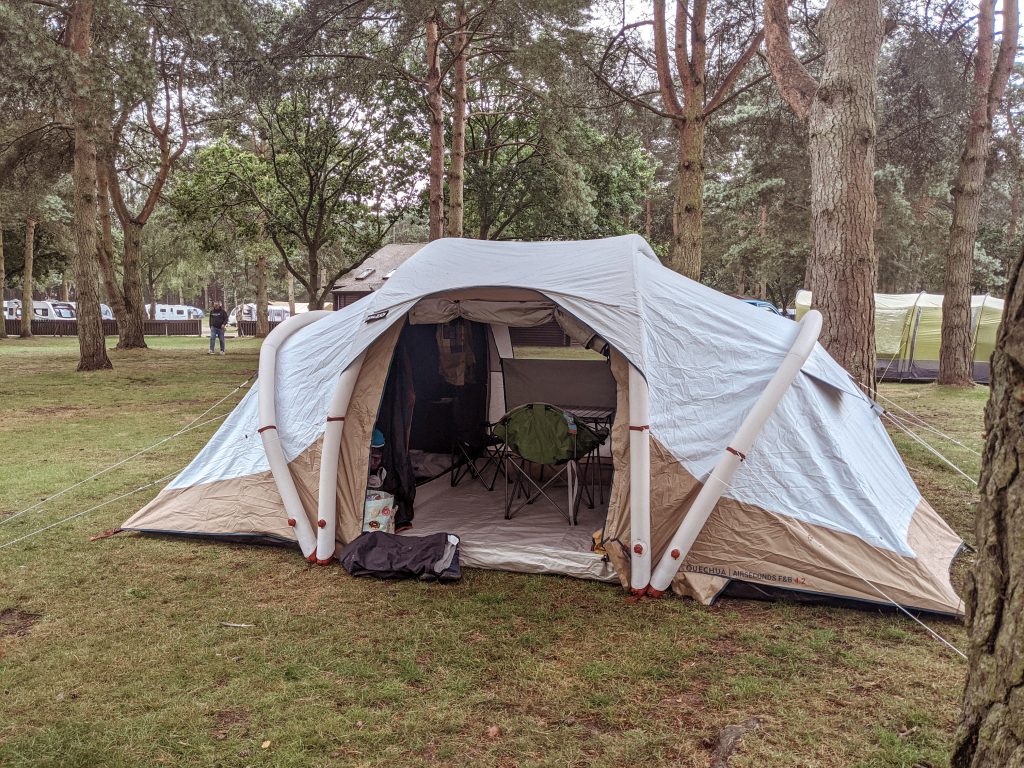
Save money on the campsite (your highest cost)
The campsite is usually the biggest cost of a camping trip, so this is where a few smart choices can save you the most.
- Camp midweek if you can. Monday to Thursday is often noticeably cheaper than weekends.
- Avoid bank holidays and peak school-holiday weeks. Prices jump, and popular sites add minimum stays.
- Choose simpler sites. Fewer facilities usually mean lower pitch fees.
- Try small farm or basic sites. They can be brilliant value and often feel more relaxed.
- Check the extra charges before you book. Look out for fees for showers, parking, extra tents, awnings, or additional cars.
- Skip electric hook-up unless you really need it. If you’re only there a night or two, you might manage fine without.
- Pick a site close to what you want to do. A cheaper pitch can cost more if you’re driving 30–60 minutes each way every day.
- Be strategic with your stay length. Some sites are pricey for one-night stays or enforce 2–3 night minimums.
- Look for off-peak deals. “Kids stay free”, early-bird offers, and newsletter discounts are worth grabbing.
Don’t overspend on gear (borrow first, buy smart)
Camping gear can get expensive fast — but you don’t need to buy everything brand new to have a comfortable trip.
- Borrow before you buy. Especially for your first trip, see what you actually use.
- Buy second-hand. Facebook Marketplace, Vinted, and local selling groups can be gold.
- Start with a smaller kit. You don’t need a full camping kitchen to have a lovely time.
- Spend on sleep, save on extras. A decent sleeping mat and sleeping bag make a bigger difference than gadgets.
- Choose a tent you can put up easily. Less stress means fewer “panic purchases” when you arrive.
- Pack a simple repair kit. Duct tape and a patch kit can save a trip (and your wallet).
- Use what you already own at home. Blankets, pillows, storage boxes, and kitchen bits work perfectly.
- Bring lighting you already have. Head torches and torches beat buying an expensive lantern on-site.
Cut food costs (without feeling like you’re ‘making do’)
Food is one of the easiest places to overspend, mainly because it’s tempting to grab bits from the campsite shop or eat out more than planned.
- Do one big shop before you go. Campsite shops are handy, but they’re rarely cheap.
- Plan a few easy meals on repeat. Think pasta, wraps, jacket potatoes, and one-pan meals.
- Prep at home. Chop veg, portion snacks, and pre-mix anything you can.
- Freeze bottles of water for your cool box. They work like ice packs and you can drink them as they defrost.
- Go for no-cook lunches. Sandwiches, wraps, fruit, and snack plates keep costs down.
- Make hot drinks on-site. Buying coffees out adds up fast on a family trip.
Keep activities cheap (the best bits are often free)
One of the best things about camping is that the simple stuff often ends up being the highlight and it’s usually free.
- Base your trip around free nature. Beaches, woods, walks, rock pooling, and playgrounds are the real holiday magic.
- Pack a rainy-day kit. Cards, colouring, a few small toys, and story prompts can save you from expensive last-minute plans.
- Choose one paid ‘treat’ activity. Pick one thing you really want to do, then keep the rest simple.
- Bring bikes or scooters if you have them. Instant entertainment, and it turns a campsite into an adventure.
Hidden costs to watch (the sneaky budget killers)
These are the little things that can quietly wreck a budget camping trip if you’re not careful:
- Campsite shop prices for basics like milk, bread, and snacks
- Showers that need coins or timed tokens
- Firewood bundles (often much pricier on-site)
- Last-minute gear panic buys (especially if the weather turns)
- Driving daily because the site is far from beaches, walks, or days out
Sample budget breakdown (family of 4)
These are rough numbers to help you plan. Your costs will vary depending on where you go and the time of year.
2 nights
- Pitch fees: £50–£120
- Food (big shop + a few extras): £40–£80
- Fuel: £20–£60
- Activities: £0–£40
- Total (excluding one-off gear): £110–£300 – you can see my recent trip to the Peak District here.
4 nights
- Pitch fees: £100–£240
- Food: £80–£140
- Fuel: £30–£90
- Activities: £0–£60
- Total (excluding one-off gear): £210–£530
FAQ: cheap camping in the UK
Is camping actually cheaper than a hotel in the UK?
Often, yes, especially for families. The biggest savings usually come from cooking your own meals and choosing a simple site.
What’s the cheapest way to camp for the first time?
Borrow gear, go for 1–2 nights, camp midweek, and pick a site close to home so fuel costs stay low.
How much does camping cost per night in the UK?
It varies a lot, but many family pitches sit somewhere around £25–£60 per night depending on location, season, and facilities.
How can I camp cheaply with kids?
Keep the plan simple: free nature activities, a rainy-day kit, and a food plan that doesn’t rely on the campsite shop.
Final thoughts
Camping on a budget doesn’t have to mean being uncomfortable. A few smart choices, a simple site, sensible gear, planned food, and free activities can make a UK camping trip feel like a proper holiday without the price tag.
If you’ve got a favourite cheap UK campsite, or your own money-saving camping tips, I’d love you to share them in the comments.
K Elizabeth xoxox




These are such great tips because they’re universal. I do all of these, and we live in the States. Frugality is worldwide!
I will pass this over to my daughter in law. I did go camping with my husband but gave all our camping gear to my daughter in law last year so they can have cheaper holidays
These are great tips, especially for an avid camper like myself. You’re absolutely right; changing camping grounds made the entire difference to our camp expenses.
I usually camp in cabins, which isn’t really camping or ‘roughing it’ but I appreciate these tips. My friend loves camping, so I know these suggestions will benefit her.
Although I am not in the UK, I guess these tips on how to camp budget friendly will be pretty helpful for me. Thanks for putting it together.
I do love saving a bit of money! I was so surprised at how much expensive camping and everything is during the school holidays! There are some solid tips here.