How to Help Your Child with Maths at Home: 7 Simple Tips
If your child is finding maths tricky, they are definitely not alone. Many children struggle with maths because some concepts can feel abstract, frustrating or difficult to apply in everyday life. The good news is that there are simple and practical ways to make maths feel more manageable at home. In this post, I am sharing easy tips to help your child build confidence, stay engaged and strengthen their maths skills in a low-pressure way.
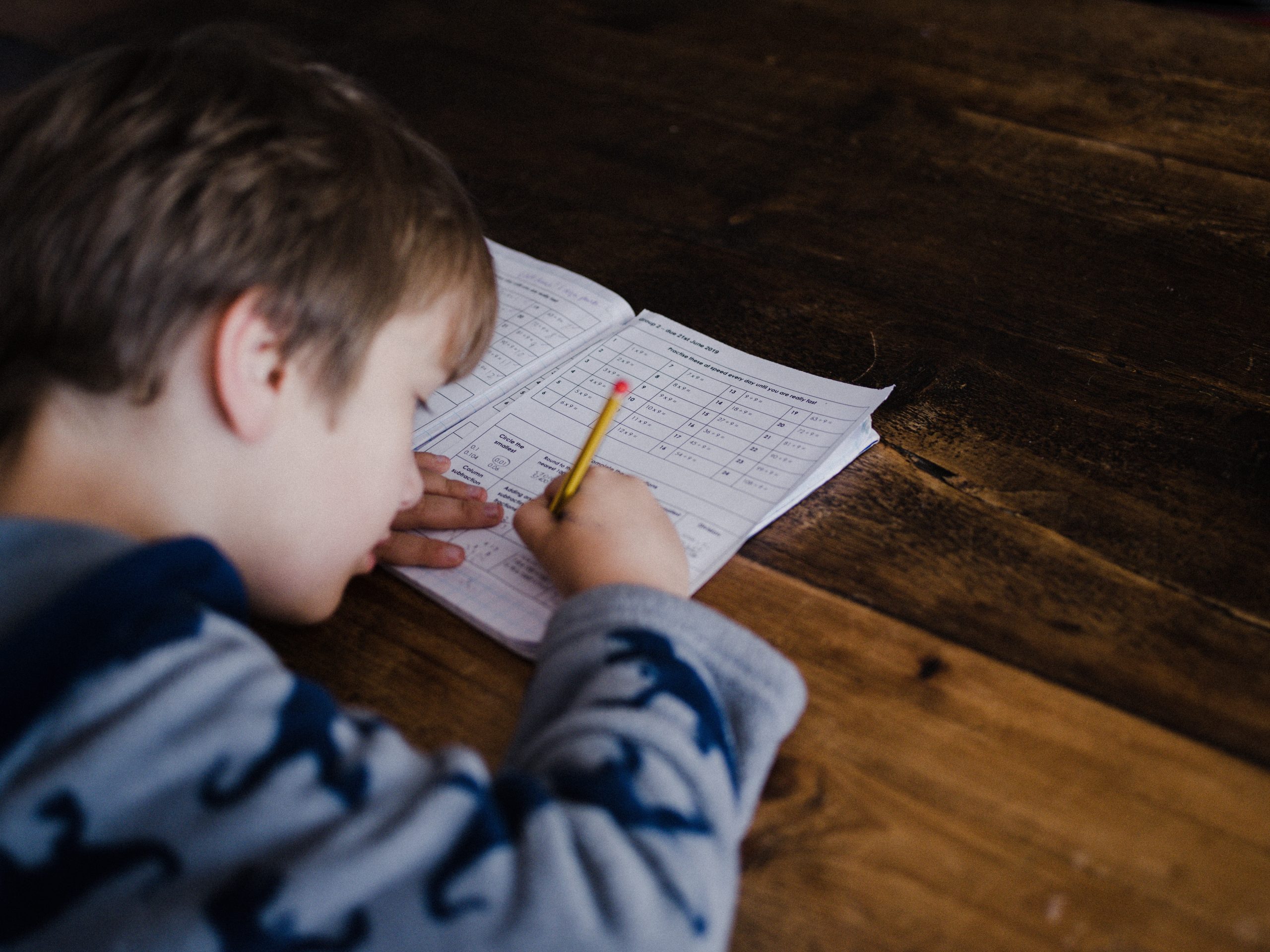
According to research, around a quarter of children struggle with maths for a range of reasons, including misunderstanding key concepts, losing interest or finding the subject too abstract. With patience, encouragement and the right approach, you can make a real difference. This post also includes ideas inspired by a private school in Surrey, so do keep that in mind as you support your child.
Use Interactive Maths Games
If motivation is part of the challenge, interactive maths games can be a brilliant place to start. Games help children stay engaged while learning important skills in a way that feels fun rather than pressured. There are lots of online maths games available, but you can also create simple activities at home using counters, dice, cards or even everyday household items.
For younger children, counting games, matching activities and number hunts can work really well. For older children, times table challenges, money games and logic puzzles can help build confidence. The key is to make maths feel playful and approachable.
Show How Maths Is Used in Everyday Life
One of the best ways to help maths make sense is to show your child where it appears in daily life. Cooking is great for measuring and fractions, shopping helps with money skills and budgeting, and even planning your day can involve time and sequencing.
When children can see how maths is used in real situations, it often feels more relevant and less intimidating. You do not need to turn every moment into a lesson, but gently pointing out maths in everyday routines can help build understanding over time.
Break Problems Into Smaller Steps
Sometimes children feel overwhelmed because they are trying to solve a whole problem at once. Breaking questions into smaller, more manageable steps can make a big difference. Encourage your child to slow down, read the question carefully and work through one part at a time.
You can model this by talking through your thinking out loud. For example, if they are solving a word problem, help them identify what the question is asking, what numbers they need and which operation might help. This can reduce frustration and help them feel more in control.
Focus on Confidence, Not Perfection
A lack of confidence can often be just as big a barrier as the maths itself. If your child is worried about getting things wrong, they may avoid trying altogether. Reassure them that mistakes are a normal part of learning and that progress matters more than perfection.
Praise effort, persistence and problem-solving rather than only correct answers. A calm and encouraging approach can help your child feel safer to try, practise and improve.
Use Visual Aids and Practical Resources
Many children learn maths more easily when they can see it in action. Number lines, blocks, counters, clocks and measuring tools can all help make abstract ideas feel more concrete. Drawing pictures or using simple diagrams can also support understanding.
If your child enjoys hands-on learning, practical resources can be especially helpful for topics like addition, subtraction, multiplication, division and fractions. Visual support often helps children build a stronger foundation before moving on to more formal methods.
Make Time for Regular Practice
Short, regular practice sessions are usually more effective than long, stressful ones. Even ten to fifteen minutes a few times a week can help reinforce learning without making maths feel overwhelming.
Try to keep practice calm and consistent. A little repetition can help children remember key facts and feel more secure with familiar methods. If possible, build maths into your routine in a natural way so it becomes part of everyday life rather than something to dread.
Know When to Ask for Extra Support
If your child continues to struggle despite regular support at home, it may be worth speaking to their teacher. They can give you a clearer picture of which areas need attention and whether there are specific strategies being used in school.
Extra support does not always mean something is wrong. Sometimes children simply need concepts explained in a different way, a little more time or more opportunities to practise. Working together with school can help create a more joined-up approach.
Final Thoughts
Helping your child with maths does not mean having all the answers yourself. Often, the most important things you can offer are patience, encouragement and a willingness to make learning feel a little less stressful. By using games, real-life examples and regular low-pressure practice, you can help your child build both skills and confidence over time.
If you are supporting a child who finds maths difficult, start small and stay consistent. Little steps can lead to big progress.
K Elizabeth xoxox
*Collaborative Post