Autumn Equinox Seasonal Living: Simple Ways to Welcome Autumn

There is something unmistakable about the first signs of autumn. The mornings feel cooler, the evenings begin to draw in, and familiar routines slowly return after the freedom of summer. Even before the leaves have fully changed, you can sense that the season is beginning to turn.
The autumn equinox offers a natural moment to pause and notice that change. You do not need to follow a particular spiritual practice or plan an elaborate celebration. Seasonal living can be as simple as taking an autumn walk, lighting a candle in the evening or thinking about what you would like the next few months to feel like.
For me, this point in the year arrives alongside the busy return to school and work. That makes it even more valuable—not as another occasion to organise perfectly, but as a gentle reminder to find a little balance within the busyness.
What is the autumn equinox?
The autumn equinox marks the beginning of astronomical autumn in the Northern Hemisphere. It takes place when the Sun crosses the equator and neither half of the Earth is tilted more towards it than the other. As a result, day and night are roughly equal in length.
In 2026, the autumn equinox falls on 23 September at 1.06am BST in the UK. After this point, the nights gradually become longer than the days as we move towards the winter solstice in December.
The word equinox comes from Latin words meaning “equal” and “night”. Although daylight and darkness are not perfectly equal everywhere, the idea of balance has become closely associated with the occasion.
For those interested in the science behind it, the Royal Observatory Greenwich explains the autumnal equinox in more detail.
Is the autumn equinox the same as Mabon?
You may also hear the autumn equinox referred to as Mabon. This name is used by some modern Pagan and nature-based traditions for a harvest celebration held around the equinox. It is often associated with gratitude, balance, abundance and preparing for the darker half of the year.
You do not need to celebrate Mabon—or hold any particular beliefs—to find meaning in the changing season. I prefer to think of the equinox as a gentle point in the year when we can notice what is happening in nature and create a little space to reflect.
This is similar to the way I approached Lughnasadh as seasonal living: taking inspiration from an old seasonal marker while making it feel accessible and relevant to modern family life.
What does seasonal living look like in autumn?
Seasonal living is simply about paying attention to the natural rhythms of the year and allowing them to influence the way we live. It does not mean completely changing your routines, buying lots of seasonal decorations or filling every weekend with themed activities.
In autumn, seasonal living might mean:
- Noticing the changing colours and cooler air
- Making your home feel warmer as the evenings darken
- Choosing seasonal food when it is practical
- Spending time outside before winter arrives
- Creating calmer evening routines
- Making space for both productivity and rest
- Letting go of commitments or habits that no longer feel helpful
The aim is not to perform the season perfectly. It is to feel a little more connected to it.
Seven simple ways to celebrate the autumn equinox
1. Take an autumn noticing walk
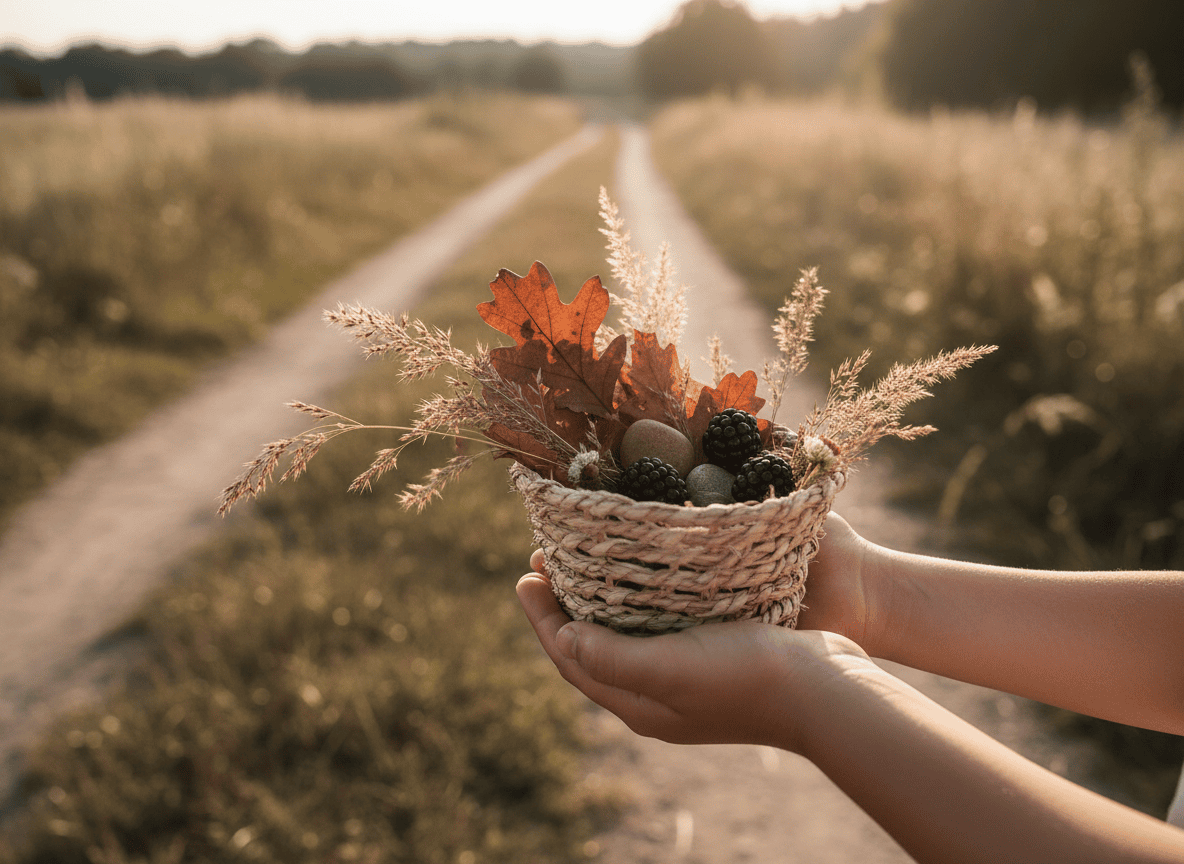
Go for a walk somewhere familiar and deliberately look for the earliest signs of autumn. You might notice berries in the hedgerows, acorns underfoot, leaves beginning to turn or a change in the quality of the light.
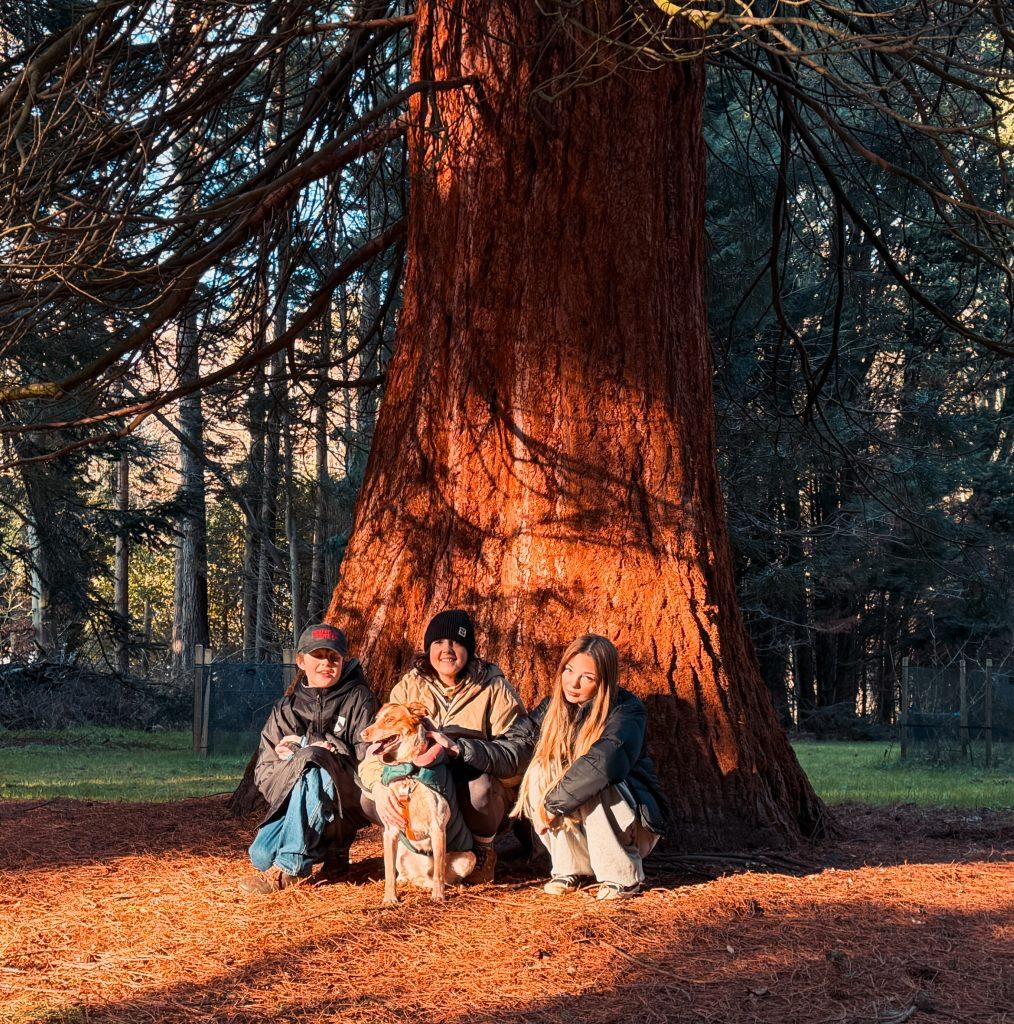
This does not need to become an organised family outing. A short walk after dinner or a slower route home can be enough. If you have children or teenagers with you, ask everyone to photograph one thing that makes the season feel different.
2. Bring a little of the season indoors
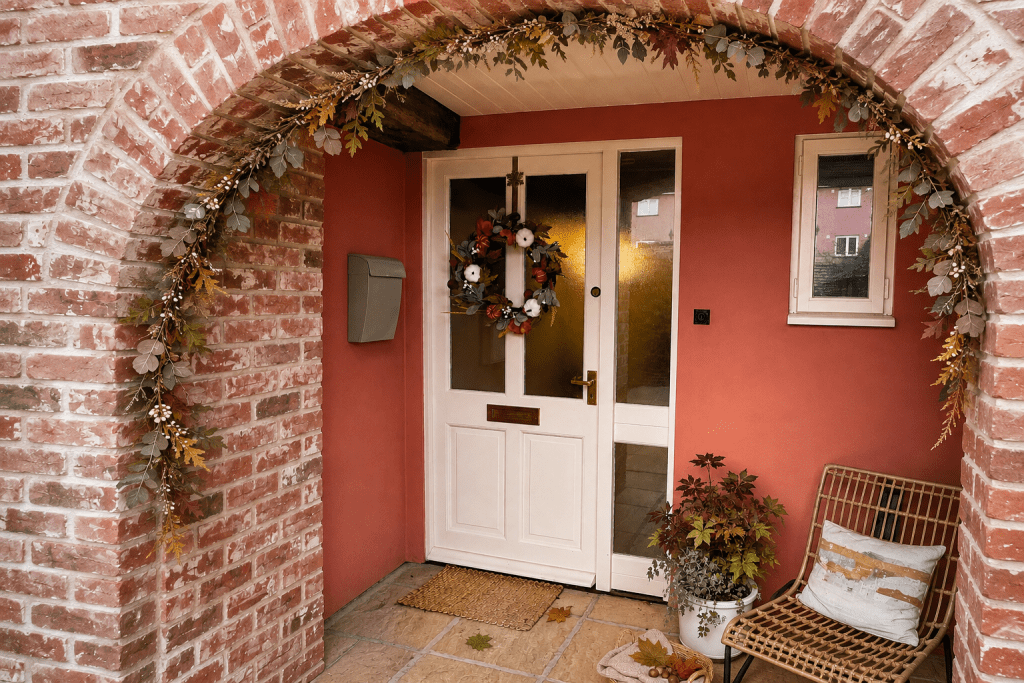
Gather a few fallen leaves, conkers, small branches or seed heads and display them in a bowl or vase. Always collect responsibly and avoid picking anything protected or growing on private land.
A few natural finds can make the home feel seasonal without needing to buy new decorations. You could also use what you collect for one of these nature-inspired boho crafts.
3. Make an autumn meal
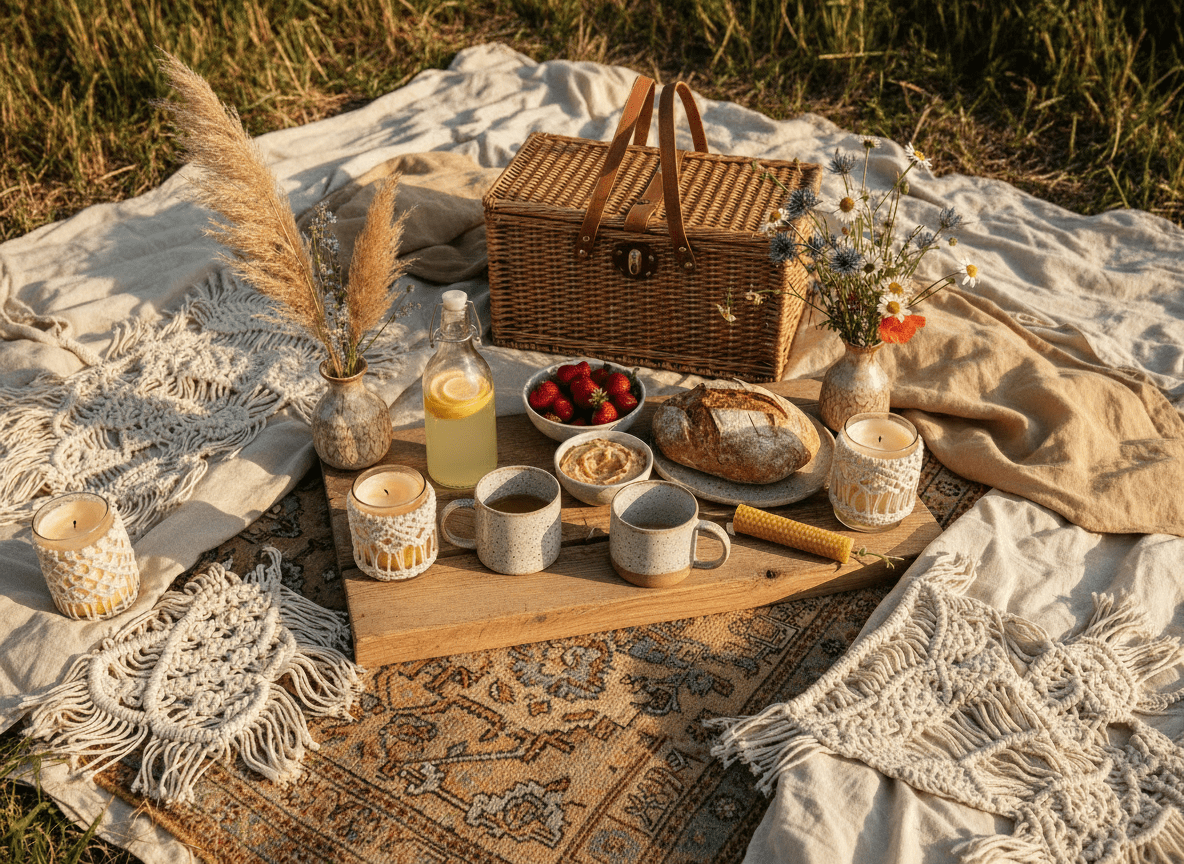
Food is one of the easiest ways to connect with a changing season. Choose something warming and simple, such as vegetable soup, a traybake, apple crumble or baked potatoes with your favourite toppings.
There is no need to create an impressive harvest feast. The point is simply to notice the shift away from lighter summer food and enjoy something comforting together.
4. Create a cosier evening rhythm
As the evenings grow darker, think about how you would like them to feel. You might switch off the main light and use a lamp, make a warm drink, put phones away for half an hour or sit together to watch something everyone enjoys.
Small sensory changes—softer light, a blanket or a familiar autumn candle—can help signal that the active part of the day is ending.
5. Reflect on balance
Because the equinox is associated with almost equal amounts of daylight and darkness, it can be a useful prompt to think about balance in your own life.
You might ask yourself:
- What is taking most of my energy at the moment?
- Where do I need a little more rest or support?
- What is working well in our family routine?
- What could be simplified this autumn?
- What would help the next few months feel calmer?
You do not have to solve everything. Sometimes noticing where life feels out of balance is a valuable first step.
6. Practise seasonal gratitude
The autumn equinox is traditionally connected with harvest and abundance, making it a lovely time to notice what is already present in your life.
Ask each family member to name one thing they have enjoyed during summer and one thing they are looking forward to in autumn. With older children, this can happen naturally around the dinner table rather than feeling like a formal activity.
Gratitude does not mean ignoring the difficult things. It simply allows something good to sit alongside them.
7. Choose something to release
Autumn shows us that letting go is a natural part of change. Consider whether there is one small thing you are ready to leave behind as the new season begins.
It might be an unrealistic expectation, an overfilled diary, an item cluttering your home or the feeling that September must become a perfect fresh start. Write it down, talk it through or simply make a quiet decision to approach it differently.
A gentle autumn equinox ritual
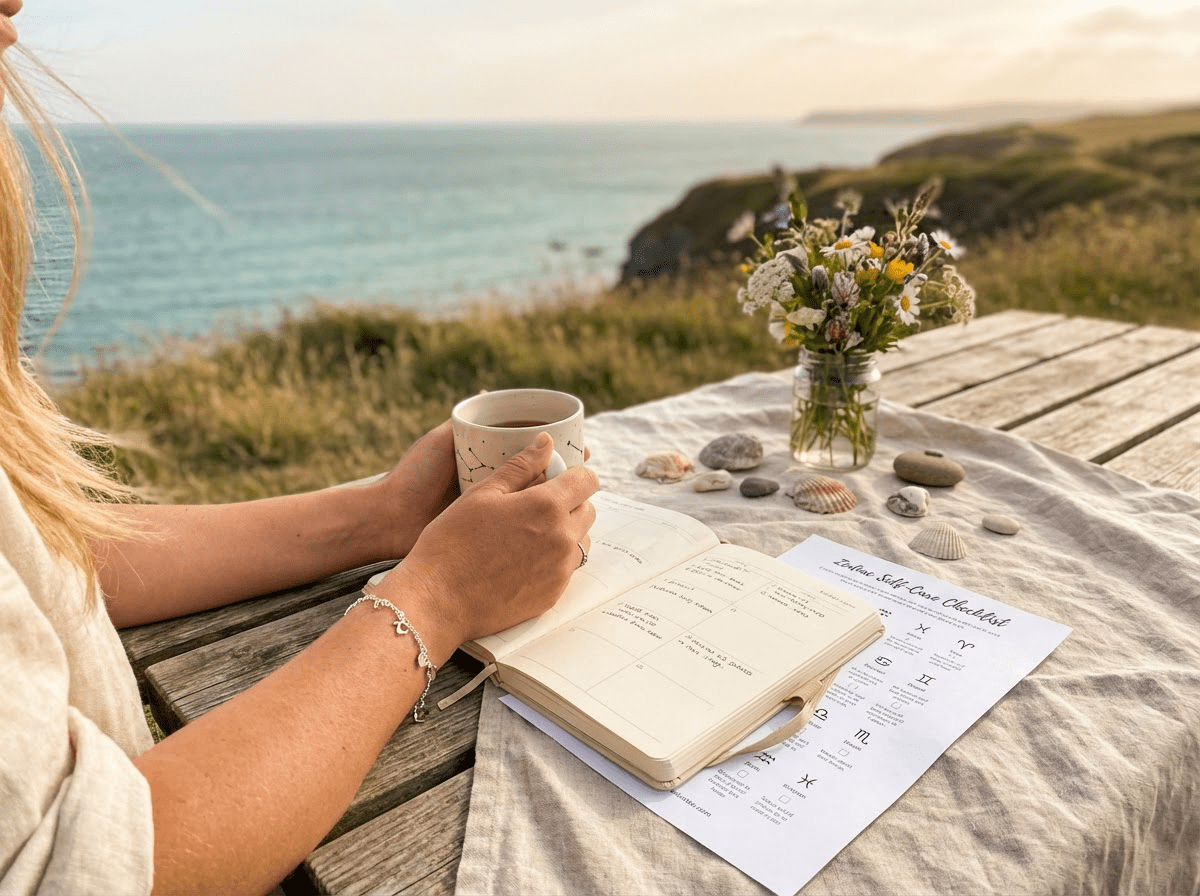
If you would like to mark the equinox more intentionally, try this simple five-minute ritual:
- Make a warm drink and sit somewhere comfortable.
- Light a candle or switch on a soft lamp.
- Think of three things from summer that you are grateful for.
- Write down one thing you would like to let go of.
- Choose one feeling or intention you would like to carry into autumn.
Your intention could be as simple as calm, connection, creativity or rest. Keep the word somewhere visible as a quiet reminder during the weeks ahead.
This is not about manifesting a perfect season. It is simply a moment to check in with yourself before life gathers pace again.
Autumn equinox activities for families
If you would like to involve the whole family, keep it relaxed and age appropriate. You could:
- Collect colourful leaves and make simple leaf rubbings
- Bake with apples, pears or blackberries
- Create a seasonal nature table
- Go on a conker or acorn hunt
- Watch the sunset together
- Make an autumn playlist
- Start a family gratitude jar
- Plan one outdoor activity for the coming month
Teenagers may be less interested in an organised craft, but they might enjoy an autumn walk with a café stop, choosing a seasonal film or making something warm to eat. Seasonal family life changes as children grow, and it is perfectly fine for your traditions to change with them.
Welcoming autumn without adding more pressure
Seasonal living should help us feel more present, not create another list of things we think we should be doing.
You do not need a beautifully decorated home, a new autumn wardrobe or a packed seasonal bucket list. You can welcome autumn by opening the window and noticing the cooler air. You can mark the equinox with a cup of tea in the garden. You can decide that, this year, your autumn intention is simply to protect a little more time for rest.
The smallest rituals are often the ones that become part of family life because they are easy enough to repeat.
A gentle pause as the season turns
The autumn equinox sits at a threshold: summer is behind us, winter is ahead and, for a brief moment, light and darkness appear to meet in balance.
It is a reminder that change does not have to arrive dramatically. It can happen through cooler mornings, earlier sunsets and the first leaf turning gold. By noticing those small shifts, we give ourselves an opportunity to slow down and move into the new season with a little more intention.
However you choose to welcome autumn, let it be simple. Take what feels helpful, leave what does not, and allow the season to unfold in its own time.
K Elizabeth xoxox
Frequently asked questions
When is the autumn equinox in 2026 in the UK?
The autumn equinox takes place on 23 September 2026 at 1.06am BST. It marks the beginning of astronomical autumn in the Northern Hemisphere.
What does the autumn equinox represent?
The autumn equinox is commonly associated with balance, gratitude, harvest and seasonal change. For many people, it offers a natural opportunity to reflect and prepare for the darker months ahead.
How can families celebrate the autumn equinox?
Families can celebrate with a nature walk, seasonal meal, leaf craft, gratitude activity or a cosy evening together. It can be as simple or as meaningful as you want it to be.
Do you have to be spiritual to celebrate the autumn equinox?
No. Anyone can use the autumn equinox as an opportunity to notice nature, reflect on the changing season and enjoy simple autumn traditions.